Gallery
1855 Alphabets of the World
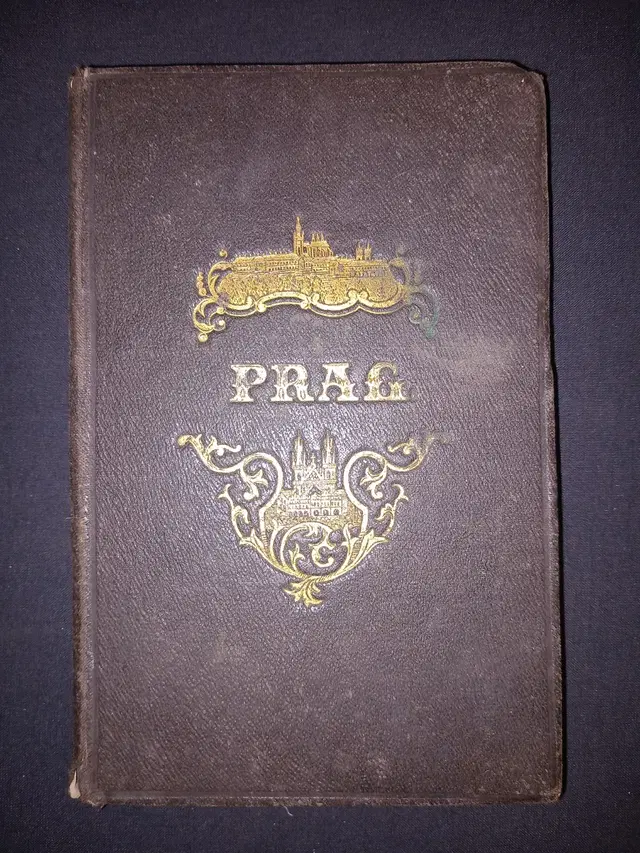
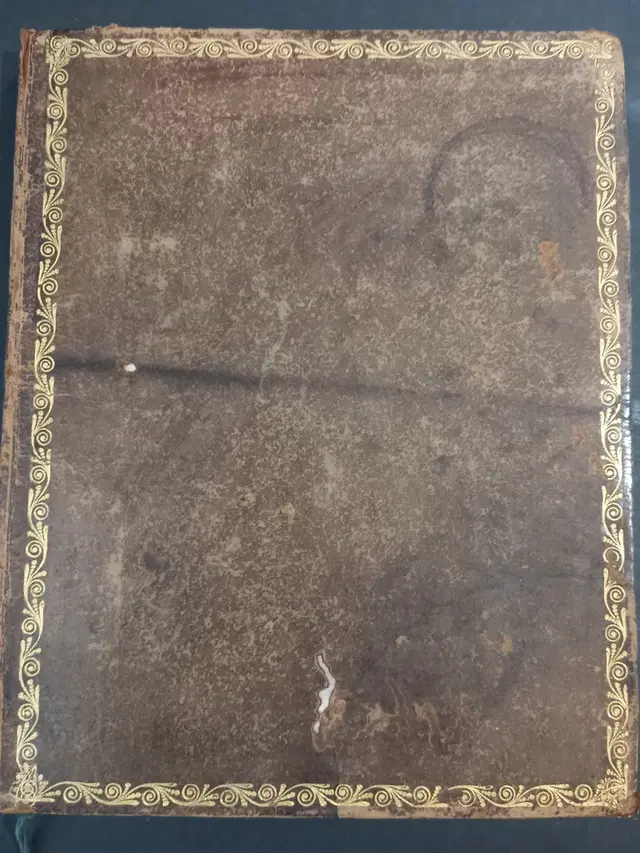
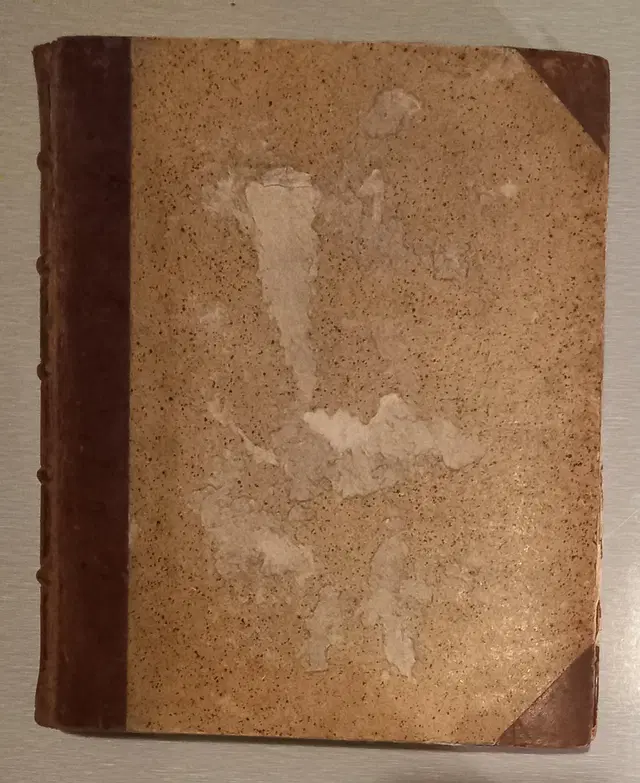
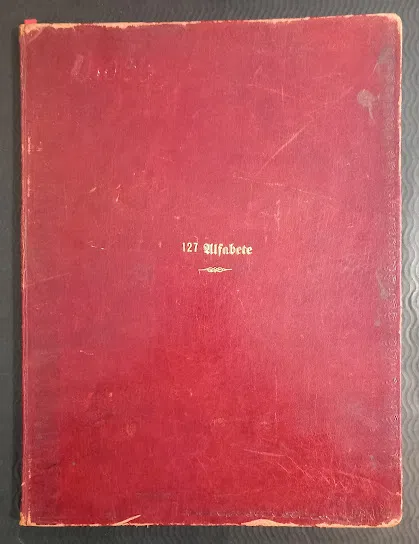
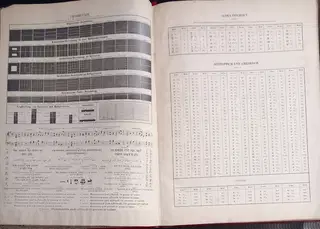
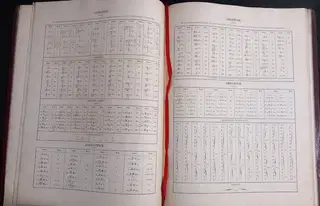
Alfabete des gesammten Erdkreises / aus der K.K. Hof- und Staatsdruckerei in Wien [Alphabets of the entire world / from the Court and the State Printing House in Vienna]. Vienna: Druck und Verlag der Kaiserlich Konighliches Hof und Staatsdrukerei, 1855. Folio. 29 pp. unpaginated. Bound in contemporary burgundy boards with 127 Alphabets in gilt on front boards. Contemporary floral endpages. Good, solid condition. Following his appointment as director of the k.k Hof- und Staatsdruckerei (Court and State Printing House) in 1841 Alois Auer Ritter von Welsbach, modernized the company and significantly restructured it. He introduced a new, coordinated typometric system (size and width of letters), which he used to successfully reform the printed letters. Typefaces purchased from other manufacturers were also specially produced according to this system. By October 1844, the entire operation had been converted to the new system. In February 1844, the production of foreign-language types was started, beginning with Arabic for a Turkish translation of the treatise on trade and shipping. The quality was found to be on par with the excellent types produced by the State Printing House in Constantinople. This prompted the production of further products, all of which were integrated into the typometric system. At the Vienna Industrial Exhibition in 1845, the Court and State Printing House presented 60 foreign-language alphabets. In 1851, type was available in 500 local and 104 foreign alphabets in different sizes, which were also shown at the World Exhibition in London. In addition, there were types in Braille, in three sizes for Europe and Asia. At the time, this was the largest collection of alphabets in the world, and it was also exported. Included here are 127 alphabets and the typometrics chart.